In Commemoration of the Twenty-eighth Anniversary of the Communist Party of China
classic piece, also notable in comparison to the piece right before this -- i feel like you can see the presaging of modern China in a bunch of this.


Extracted from an essay published in April 1917 (in Hsin ching-nein). Mao Zedong.

Joseph Stalin was a great man; few other men of the 20th century approach his stature. He was simple, calm and courageous. He seldom lost his poise; pondered his problems slowly, made his decisions clearly and firmly; never yielded to ostentation nor coyly refrained from holding…

A major theme in Bolshevik literature was the transmutation of flesh to metal. In the communist imagination, the fires of revolution could forge a metallized man. No one better personified this than Stalin, the “man of steel.” In my latest article, I explore the power of a name.

It is an interesting and somewhat macabre parlor game to play at a large gathering of one’s acquaintances: to speculate who in a showdown would go Nazi. By now, I think I know. I have gone through the experience many times—in Germany, in Austria, and in France. I have come to know the types: the born Nazis, the Nazis whom democracy itself has created, the certain-to-be fellow-travelers. And I also know those who never, under any conceivable circumstances, would become Nazis.

The way Iran has been able to stand up to the West has become a source of admiration across the formerly colonized world. Where does that confidence come from?

Jake Paul’s ascent in boxing is a cultural symptom of an empire in decline. It reflects a country that now prefers empty spectacle over real strength, both in sports and on the world stage.
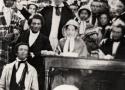
Abolitionists waged war on the two party oligarchy. Jenna Grove suggests we can learn from their forgotten triumph.
Most of what we hear about Tiananmen in 1989 focuses on student activists, since they dominated Tiananmen square itself and waved banners demanding “freedom and democracy.” However, the real history of the protests is a bit more complex.

Three years ago I came across an interesting paper written up by a Microsoft employee, Kent Sullivan, on the process and findings of designing the new user interface for Windows 95. The web page has since been taken down - one reason why I'm a bit of a digital hoarder. It specified some of the…
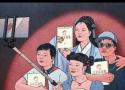
Originally anonymously published on Zuoyi23’s WeChat and Zhihu pages, this essay explores the rise and fall of the capitalist class in China. The author takes a critical look at how the relationship between the state and capital continues to shape the relationship between the capitalist and working classes in China—and how young workers are returning to Marxist critique to shape the future.
Appreciated this nuanced take from Qiao Collective on the current(-ish) situation with tech labor in China.